You've crunched the numbers, you know what you want to sell for. Mentally you've even spent the proceeds. But there's a harsh reality many sellers discover only at the transfer table: the sale price is not what you walk away with.
Selling a home comes with a long list of costs that can eat into your profit sometimes by tens of thousands of rands. The good news? With the right information, none of these costs need to be a surprise.
This guide breaks down every hidden cost when selling a house in South Africa, so you can plan confidently and avoid nasty surprises at the eleventh hour.
The Bottom Line — 8-12% of Your Sale Price
The cost of selling a house typically ranges from 8-12% of your property's sale price, depending on several factors, including your property value, outstanding mortgage balance, required repairs, and specific compliance needs.
| Property Value | Estimated Total Selling Costs |
|---|---|
| R1 million | R80,000 – R120,000 |
| R1.5 million | R120,000 – R180,000 |
| R2 million | R160,000 – R240,000 |
| R3 million | R240,000 – R360,000 |
Key takeaway: For a R1.5 million property, you should budget approximately R150,000-R180,000 in selling costs.
1. Estate Agent Commission — Your Biggest Single Cost
Estate agent commission is typically the single largest cost of selling your home. It's usually calculated as a percentage of the sale price and deducted from your proceeds.
| Cost | Estimated Amount |
|---|---|
| Agent Commission | 3% – 7.5% + VAT of the sale price |
| VAT on Commission | 15% of the commission amount |
Example: On a R2 million property, commission at 6% + VAT comes to approximately R138,000.
Calculating Your Commission: To calculate what your agent's commission will be: multiply the sale price by the commission rate, multiply the commission amount by 15% (VAT), and add these amounts together.
Example (R1 million property, 6% commission):
- Commission: R1,000,000 × 6% = R60,000
- VAT: R60,000 × 15% = R9,000
- Total: R69,000
Are Commission Rates Negotiable? Yes. But experienced property professionals caution against choosing an agent based solely on the lowest commission. A skilled agent's marketing expertise and negotiation skills often secure higher sale prices that far exceed the difference in commission rates.
2. Bond Cancellation — The 90-Day Rule You Can't Ignore
If your property is bonded, you must cancel the bond before transfer can take place. The cancellation process involves fees and, critically, a mandatory notice period.
| Cost | Estimated Amount |
|---|---|
| Bond Cancellation Attorney Fee | R5,500 – R8,000+ |
| Early Settlement Penalty | Varies by bank (if less than 90 days' notice) |
The 90-Day Notice Rule — Don't Miss This: To avoid early settlement penalty fees, you must give your bank's Bond Department a full 90 days' written notice of your intention to sell. Failing to do this can result in substantial penalty charges over and above the standard cancellation fee.
Important points:
- The cancellation fee is paid to the attorney appointed by the bank, not the bank itself
- The fee includes the attorney's remuneration and Deeds Office cancellation fees
- Bond cancellation is handled by a separate attorney from the transferring attorney
Smart strategy: Submit your 90-day cancellation notice before actively marketing your property. If your house doesn't sell within the 90-day window, simply resubmit the notice with no penalty.
FNB's Notice Period: According to recent Reddit discussions, FNB may not require the full 90-day notice period anymore, but you should always check with your specific bank to confirm their current policy.
How to Give Notice: The notice must be given in writing to your bank's Bond Department. You cannot do this via the bank app. Contact your bank directly by phone or in-branch to find out where to send the written notice. Keep proof of your notice (written confirmation or email) for your records.
3. Compliance Certificates — Mandatory and Costly
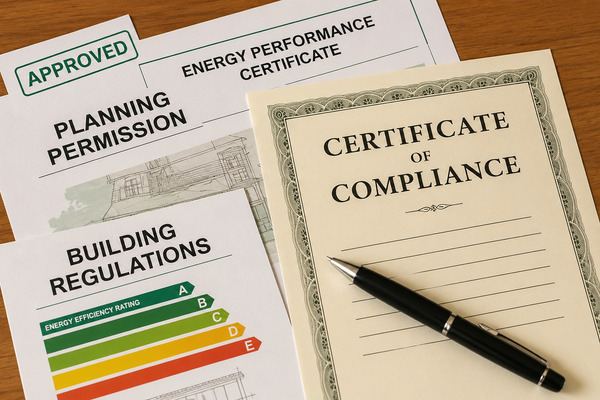
It's the seller's legal obligation to provide compliance certificates before the property transfer can take place. These certificates are for the seller's account and are a compulsory part of the transaction.
| Certificate | Required For | Cost (Certificate) | Cost (Repairs) |
|---|---|---|---|
| Electrical COC | All properties | R800 – R1,200 | R3,000 – R8,000 |
| Plumbing Certificate | All properties | R600 – R900 | R2,000 – R10,000 |
| Water Installation COC | Cape Town | R500 – R750 | Varies |
| Gas COC | Gas installations | R650 – R950 | R1,500 – R5,000 |
| Electric Fence COC | Electric fence | R600 – R800 | Varies |
| Beetle Certificate | Coastal regions | R400 – R600 | R3,000 – R15,000 |
| Pool Certificate | Swimming pool | R800 – R1,200 | Varies |
Total estimated cost: Budget at least R5,000 – R10,000 for certificates and potential repairs.
What Each Certificate Covers:
Electrical Certificate (ECOC): Confirms electrical installations meet SABS standards. Covers distribution boards, wiring, socket outlets, light switches, earthing, bonding of metal components, isolators, and fixed appliances like geysers and stoves. Valid for 2 years.
Gas Certificate (GCC): Required for built-in gas stoves, geysers, braais, and fireplaces. Issued once the installation is inspected and deemed safe proper ventilation, correct positioning of emergency shut-off valves, and appropriate distance from electrical points and openings.
Electric Fence Certificate: Valid for 2 years. Required if an electric fence is installed.
Beetle Certificate (BBC): While not a legal requirement, buyers may include it as a condition of sale, especially in coastal areas where wood-destroying insects are common. Valid for 3-6 months.
Water / Plumbing Certificate: Required in some municipalities like the City of Cape Town. Confirms no plumbing defects, working water meter, no stormwater connections to sewer, and compliance with bylaws.
Strategic Tip: Obtain certificates before listing. This allows you to address issues at your own pace, demonstrate property care to buyers, and avoid costly last-minute rush repairs.
For a complete breakdown of each certificate, including validity periods, legal requirements, and what they cover, read our full guide on compliance certificates for property transfer.
4. Rates, Taxes and Levies — The Upfront Cash Flow Hit
The seller must ensure all rates, taxes, and levies are fully paid up before transfer can take place. This can require a significant cash outlay well before you receive the sale proceeds.
| Cost | Estimated Amount |
|---|---|
| Rates Clearance Certificate | R500 – R1,500 |
| Rates & Taxes (3-6 months advance) | Varies by property value and location |
| Levy Clearance (2-3 months advance) | Varies (sectional title / estate) |
The cash flow challenge: Municipalities typically require rates and taxes to be paid three to six months in advance of the anticipated transfer date. Depending on your property's valuation, this could easily amount to R10,000 – R30,000 or more that you need available before transfer.
Good news: Municipalities refund any excess pre-payments if the transfer completes faster than anticipated, though the refund process can take 2-3 months.
For sectional title sellers: A levy clearance certificate must be obtained from the body corporate, and you'll need to pay approximately three months' worth of levies upfront.
5. Conveyancing Fees — Legal Transfer Costs
While the buyer usually pays the transferring attorney's fees, sellers may be liable for certain conveyancing disbursements.
| Cost | Estimated Amount |
|---|---|
| Deed Search | R200+ |
| FICA Verification | R350+ |
| Rates Clearance Application | R550+ |
| Levy Clearance Application | R600 – R1,400+ |
If the seller agrees to pay or share the conveyancing fees as part of negotiations, this can add significantly to the cost.
6. Capital Gains Tax (CGT)
If you're selling a property that is not your primary residence — or if your primary residence sells for a profit exceeding R2 million — Capital Gains Tax may apply.
| Property Type | CGT Rate |
|---|---|
| Primary residence | Exempt up to R2 million gain |
| Investment property (individual) | 18% of the gain |
| Investment property (company) | 21.6% of the gain |
| Investment property (trust) | 36% of the gain |
Primary Residence Exclusion: The first R2 million of profit on your primary residence is tax-free. For most homeowners, this means no CGT is payable.
What You Can Deduct: Estate agent commission, bond cancellation fees, compliance certificates, original transfer costs, and documented improvement costs (not maintenance).
Important: Consult a qualified tax practitioner to optimize your CGT position and ensure SARS compliance.
7. Property Preparation Costs
Before listing your home, you might need to invest in repairs or renovations to make the property more appealing to buyers.
| Cost | Estimated Amount |
|---|---|
| Painting and Repairs | R5,000 – R20,000+ |
| Professional Photography | R2,000 – R5,000 |
| Home Staging | Varies |
| Professional Building Inspector | R2,000 – R5,000 (optional) |
Value of staging: Fresh paint and garden maintenance typically return 2-3 times their cost.
Note: While a professional building inspector is not a legal requirement, hiring one helps identify issues upfront, streamlines the sales process, and prevents the buyer from discovering problems you weren't even aware of.
8. Moving and Transition Costs
| Cost | Estimated Amount |
|---|---|
| Moving Company (local) | R4,500 – R7,500 (3-bedroom home) |
| Packing Services | R3,000 – R8,000 |
| Storage | R80 – R150 per cubic meter/month |
| Temporary Accommodation | R8,000 – R25,000/month |
| Moving Insurance | Varies (recommended) |
Professional moving costs: R150-R250 per cubic meter for local moves, R200-R400 per cubic meter for long-distance moves. A 3-bedroom home is typically ±30 cubic meters.
9. Tenant Deposit Refund (For Rental Properties)
If you are renting the property to a tenant, keep in mind that you will need to repay their deposit with interest. You should also budget for any possible repairs in case there are damages after they vacate.
Complete Cost Examples
R1 Million Property
| Cost | Estimated Amount |
|---|---|
| Agent Commission (6.5% + VAT) | R74,750 |
| Bond Cancellation | R10,000 |
| Municipal Clearance | R2,500 |
| Compliance Certificates | R6,000 |
| Repairs | R15,000 |
| Moving Costs | R10,000 |
| Total | R118,250 (11.8%) |
R1.5 Million Property
| Cost | Estimated Amount |
|---|---|
| Agent Commission (6% + VAT) | R103,500 |
| Bond Cancellation | R12,000 |
| Municipal Clearance | R3,500 |
| Compliance Certificates | R7,000 |
| Repairs | R20,000 |
| Moving Costs | R12,000 |
| Total | R158,000 (10.5%) |
R3 Million Property
| Cost | Estimated Amount |
|---|---|
| Agent Commission (5.5% + VAT) | R189,750 |
| Bond Cancellation | R14,000 |
| Municipal Clearance | R5,000 |
| Compliance Certificates | R8,000 |
| Repairs | R30,000 |
| Moving Costs | R18,000 |
| Total | R264,750 (8.8%) |
Note: These examples exclude Capital Gains Tax and temporary accommodation costs.
Timeline of When Costs Hit
| Time | Cost |
|---|---|
| Before listing | Property preparation, professional photography |
| On signing OTP | Compliance certificates (start inspections) |
| During transfer | Rates/levies advance payments, bond cancellation |
| On registration | Agent commission, bond cancellation fees |
| After registration | Moving costs, temporary accommodation, CGT (following tax year) |
5 Strategies to Minimize Your Selling Costs
1. Time Your Sale Strategically: Submit your 90-day bond cancellation notice before marketing to avoid interest penalties. Sell during peak seasons (February-April, August-October) when buyer demand is highest.
2. Obtain Compliance Certificates Early: Get all certificates before listing to address issues at your own pace and demonstrate property care to buyers.
3. Invest in High-Impact Repairs: Focus on low-cost improvements like fresh paint and garden maintenance that typically return 2-3 times their cost.
4. Interview Multiple Estate Agents: Evaluate marketing strategies and track records, not just commission rates. The right agent's expertise often delivers higher net proceeds.
5. Bundle Services and Optimize Tax: Get package deals on compliance certificates (save 10-20%). Maintain detailed records of improvements to reduce CGT liability.
6. Negotiate Your Agent's Commission: Don't be afraid to negotiate. If the agent wants a sole mandate, they should be willing to be flexible on commission.
- Total selling costs typically range from 8-12% of your sale price
- Agent commission is the largest cost (3-7.5% + VAT)
- Give 90 days' notice to your bank to avoid early settlement penalties
- Compliance certificates are mandatory — budget R5,000-R10,000+
- Budget 3-6 months of rates and levies upfront — this can be R10,000-R30,000+
- CGT only applies if profit exceeds R2 million or it's not your primary residence
- Seller costs can be minimized with early planning, negotiation, and strategic timing
- Moving and transition costs can add R15,000-R38,000+